How to create a brand for your blog or business*

Branding: only for the likes of big names like Coca Cola (because how iconic can white writing on a red background be), McDonalds (because who doesn’t look for the giant M after a heavy night) and Disney (enough said)…or is it? A brand is so much more than a logo and nowadays, in the age of digital it’s become far easier to create an easily recognisable identity – regardless of whether it’s for a business or a personal social media channel. One of the UK’s premier uniform suppliers Harveys tell me more…

(image)

Personal Style

The idea of having a personal style seems a little pretentious but it’s a surprisingly overlooked necessity. If you work as a beauty therapist for example your tunic will be one of the things your customer will always associate with you; from the colours to its fit it’s the only way you get to express your personality through clothing and opting for a specific colour could ultimately form the building blocks of an iconic brand later on down the line (no pressure).

Bloggers meanwhile can turn themselves into influencers if they have a firm enough grasp on fashion trends and what they like. Choose your angle wisely and when you’re known for a certain niche try not to change from it too much; if you’re a bargain shopper for example, don’t go showing off new luxury purchases and vice versa. Your fans will follow you for your brand and the moment you choose freebies over honesty you start to lose your online identity.

Logo, fonts, colours and websites

It can be daunting creating a logo or deciding on brand fonts; justifying turning something you enjoy into an instantly recognisable presence is a huge decision and can be one you can agonise on for days. Remember however that it’s what you’re selling that’s important and as long as you stay true to that you can’t go wrong.

If you’re planning a big business venture remember that what you invest is often what you get back – hire a designer to work with you to create your brand guidelines and work with a web development company to ensure you have a professional image and brand online. If you haven’t got the funds to invest there’s plenty of free templates and designs out there to use until you hit big but make sure it’s always showcasing what you do. If you’re creating a site for a company for example it’s often wise to stick with clean crisp typefaces. If you’re a beauty or lifestyle blogger meanwhile it’s all about finding something that you feel comfortable with that sums up your personality.

Social Media

Opening a social media account on every single channel might seem like a wise idea when you’re first starting off but think of your time and where your audience actually are. LinkedIn is perfect for businesses but probably less important for a blogger in the same way Instagram is an essential for any wannabe stylists but not so suitable for an investment banking organisation.
Research which channels work best for the people in your industry and consider additional benefits; Facebook for example can offer you cheap local targeting to people directly interested in your product – don’t be afraid of investing time and money in new channels but likewise don’t be scared of pulling the plug on them if they don’t work.

Remember what matters

Regardless of whether you’re building a presence for business, pleasure or somewhere in between it’s called a personal brand for a reason -it’s all about you! There’ll always be somebody somewhere offering the same as you but find what makes your offering unique and why you’re going down that route in the first place! Never try and copy anybody else and always be proud of who you are – whether it’s customers or fans on social media truthfulness to yourself is always the best way to sell your product and brand.

Harveys is a professional workwear and uniform supplier with over 60 years’ experience. Based in the UK with full customisation options available they’re proud suppliers to some of the best-known (and future best known) names.

Harveys is a workwear and uniform supplier with over 60 years’ experience. Based in the UK and offering only the highest quality products they’re proud to be known for helping businesses become a brand.

end

Three Shampoos I am loving right now

At the age of 29 I am only just starting to find out what works for my hair and what doesn’t. Like most women I have a love/hate relationship with my hair and for many years I just didn’t bother. Even now I dislike going to the hairdressers (I just can’t cope with someone in my personal space) and as such I do what I can to look after my mane at home, finding haircare that suits my thick, frizz prone locks and trying to avoid using heat too much. I have a LOT of hair despite frequent loss and it takes a lot of washing to keep it clean and fresh. Recently a package of shampoos landed at my door and I’ve picked out three that have especially impressed me. I used to believe that shampoo was shampoo and it didn’t really matter, but now I know that there is a huge variety out there and sometimes it pays to do more than buy whatever is cheapest at the time.
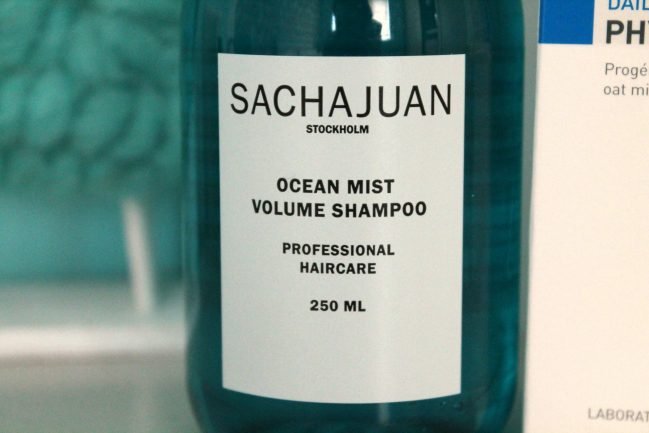
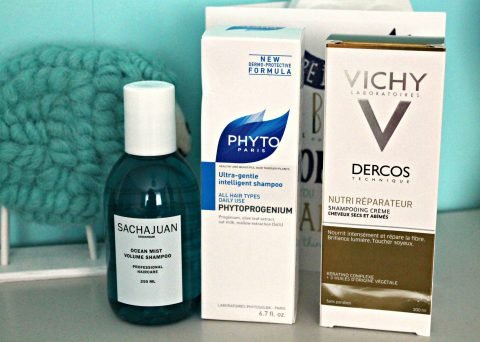
The first shampoo is the Ocean Mist Volume Shampoo by Sachajuan (£20 for 250ml). Now my hair doesn’t lack volume, left to it’s own devices it contains enough to revival the main stage at a music festival but I still really liked this shampoo despite the hefty price tag. The smell of this is just immense and it left my hair feeling super clean and fresh. I only tried this once but Mum has been using it regularly and can’t stop raving about how it doesn’t weigh her hair down. I trust her opinion on this 100% as she only ever uses volume boosting products and our bathroom is full of her cast offs…if she says it’s good, it’s good!
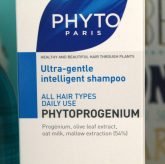
Being prone to a dry and flaky scalp the product I was most interested in was the Phyto PhytoProgenium Intelligent Shampoo (£12.50 for 200ml) which is a natural clarifying shampoo that claims to gently cleanse an irritated and sensitive scalp. My hair felt AMAZING after using this, so clean and fresh and without a stray flake in sight. Ok so it costs a lot more than my current highstreet shampoo for I’d happily pay the price again for this as it’s a long time since my hair felt so good after a wash. Sometimes it really is a case of you get what you pay for.
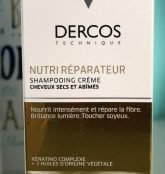
Lastly I’ve been enjoying the Dercos Nourishing Cream Shampoo from Vichy. I used this a couple of times after a patch of overdoing the straighteners (honestly, within a day my wavy hair is a mass of tangled curls again) and after just one use I could see and feel a difference. This is the cheapest of the bunch (with an RRP of £8.50 for 200ml) and another product I would repurchase. It’s also free of parabens and has a hypoallergenic formula which is good news for us sensitive souls.
I’ve still got a lot to learn when it comes to my hair so I’d be really interested to know what products you’ve used to solve your woes and if there are any other treatments that you have tried from chemical straightening to hair transplantation. Leave your thoughts and product recommendations in the comments and I’ll report back on anything I try!

end

*Products in this post were from a selection sent to me for consideration. All thoughts are my own.*

Helping people in need: 3 concrete actions you can take*

Each time you switch on the news, you might see people living in desperate circumstances. Whether they don’t have enough food to eat or water to drink, they’re fleeing war or they don’t have access to crucial medical supplies, it can be heart breaking to see their plight and feel powerless to help. Thanks to charity initiatives though, there are concrete actions you can take to improve the circumstances of others around the globe. Keep reading for three steps you can follow to ensure you’re doing your bit for those in need.

(image)

1. Educate yourself

Your first priority should be to get clued up on the problems that are really affecting people. Whether it’s the homeless in your local community or individuals situated thousands of miles away who are experiencing the effects of droughts or conflicts, you can get the facts you need online. To give you an idea of one of the issues that’s causing suffering, the charity Human Appeal notes that an estimated 200 million children across the world live without one or both parents and these youngsters are often out of school and vulnerable to exploitation, trafficking and child slave labour.

Meanwhile, figures provided by the World Health Organisation suggest that a staggering 1.8 billion people use drinking water containing contaminants that can cause potentially deadly diseases, including typhoid, cholera, polio, dysentery and diarrhoea. In fact, contaminated drinking water is thought to lead to over 500,000 diarrhoea deaths every year.

Malnutrition is a major killer too. Nearly half of deaths of children under the age of five are caused by malnutrition, according to a study published in The Lancet Series. Every year, malnutrition leads to around 3.1 million deaths of youngsters in this age demographic. Deficiencies of minerals and vitamins like calcium, iron, zinc and vitamin A are often to blame.

2. Make donations to good causes

Once you’ve got a clearer idea of the problems impacting on people, you can look for ways to help. A wide range of charities are involved in many different projects that aim to assist people in need. From initiatives that provide clean water supplies, food or medicines to projects that focus on training doctors or giving schools extra equipment to improve educational standards, there are lots of initiatives that you can give money to. It doesn’t matter if you can’t afford to shell out big sums in donations. Even relatively small amounts can make a major contribution to charity efforts, especially if you set up regular payments.

3. Get others involved

Another concrete step you can take is to encourage others to make donations. By chatting to your family, friends and colleagues about the projects that you’re most interested in, you can raise awareness of them. Posting information on social media sites like Twitter and Facebook can be effective too as this will help you reach out to a wider audience.

You may not be to solve the world’s problems, but by getting involved with good causes like this, you can help to make people’s lives better.

end

*This is a pre-written piece of content provided for my blog, no compensation was received, it’s just a bloody good cause.*

3 embarrassing health issues that are more common than you might think*

If you’re troubled by an embarrassing health problem, it can feel like you’re the only one suffering. However, regardless of how humiliated you might feel, it’s likely that there are others who are going through the same wellbeing woes. In this blog, we look at three health issues that are more common than you might think and what you can do to overcome them.

(image)

1. Erectile dysfunction

Erectile dysfunction (ED) is the inability to get and maintain an erection, and although it can be an extremely embarrassing issue to deal with, many men experience it. It’s estimated that around 50 per cent of all men between 40 and 70 years old suffer with it at some point. It can be easy to ignore the problem altogether in the hope that it will go away by itself. However, if you experience ED for more than a few weeks, it’s vital that you do something about it like visit this ED Clinic Houston. The condition can be the first sign of an underlying health condition, such as low testosterone or heart disease, so it’s important that you put your feelings of embarrassment aside to seek help.

Usually, ED is treated by tackling the root of the problem. For instance, making some simple lifestyle changes, such as losing weight, could help relieve your symptoms. There are also a number of targeted treatments you could try, like Viagra. For more information about how you can treat your ED, you could speak to your GP or seek advice from an online pharmacy such as Europa Pharmacy

2. Urinary incontinenceUrinary incontinence refers to the involuntary passing of urine. It is usually caused by the muscles used to prevent urination becoming weak or damaged, or it can be a result of an overactive detrusor muscle – the muscle that controls the bladder. There are also other factors that may increase the risk of incontinence, such as pregnancy and birth, obesity and getting older. Although it’s an extremely embarrassing problem to have to deal with, it affects more people than you might think. In fact, it’s estimated that up to six million men and women in the UK suffer with urinary incontinence to some degree, so if you struggle with this particular health woe, it’s important to realise that you’re not alone.

The good news is, there are a number of ways you can keep your incontinence under control. From making some adaptations to your lifestyle, such as cutting back on caffeine and alcohol and losing weight, to exercising your pelvic floor muscles, to learning how to train your bladder with a guided specialist, there’s no need to suffer in silence with this condition. You could also try using incontinence products, such as absorbent pads.

3. HyperhidrosisExcessive sweating, which is also known as hyperhidrosis, is a prevalent health problem. The sweating can affect the whole body or just certain areas, such as the armpits, face, palms of the hands or soles of the feet. Although it’s not a huge health concern, it can be extremely distressing and have a negative impact on your quality of life. In some cases, it can lead to anxiety and depression. Hyperhidrosis is thought to be related to problems with the nervous system, but it can also be triggered by other factors, such as pregnancy, certain medications, low blood sugar levels and an overactive thyroid gland.

If you feel that your sweating is interfering with your daily life, it’s important that you do something about it. Although you may find it humiliating, you should start by speaking to your GP. They may suggest some simple changes, such as wearing loose fitting clothing and avoiding potential triggers, like spicy food or alcohol. If these don’t work, you may be advised to try a stronger course of treatment.

Although you may be embarrassed, it’s important that you think of your health and wellbeing. Instead of putting up with your condition, you shouldn’t be ashamed to reach out for help.

end

Sundried part two + save 20%

Way back in time (last September to be precise) I posted about ethical activewear brand Sundried. At that time they were yet to fully launch and as life got chaotic it kind of slipped my mind that I had intended to do a follow up on the brand…better late than never eh?
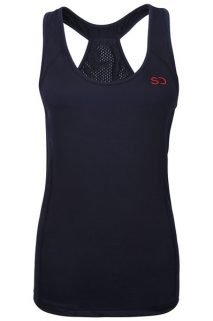
Now, I can hardly profess to be a shining example of someone who lives an active and healthy lifestyle at present but once upon a time I did, and I fully intend to do so again so I have a strong interest in fitness gear and how to look good whilst feeling good. As such I truly am loving the Sundried range of women’s fitness clothing (and there’s a great men’s range as well). Created to perform pre, post and during exercise (or you know, just to look cool) Sundried uses only responsibly sourced materials and as a low carbon brand have a minimal environmental impact which in my eyes makes them a serious cut above the rest, and just because the clothing does good doesn’t mean there has been a compromise on style…oh no.
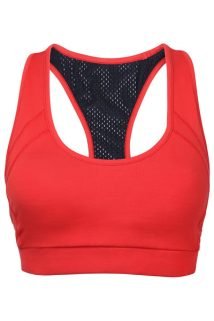
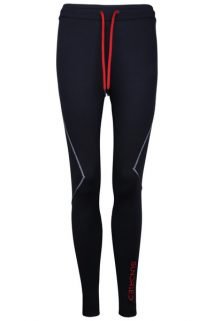
Price wise I’d say they are in line with many of the leading activewear brands with the crop top coming in at £45 and the running tights at £75. These are clothes that are built to last though so when I am fighting fit and raring to go I will definitely be making the investment. As an added touch with each purchase comes a unique code that allows you to follow your apparel’s journey from start to finish.

Are you sold yet? Honestly, this is a brand I can seriously get behind and I really can’t wait to see what innovations come from them in the future. Let me know if you make a purchase and what you think, you can claim a generous 20% off your order by entering my code LAURABUDD at the checkout

end